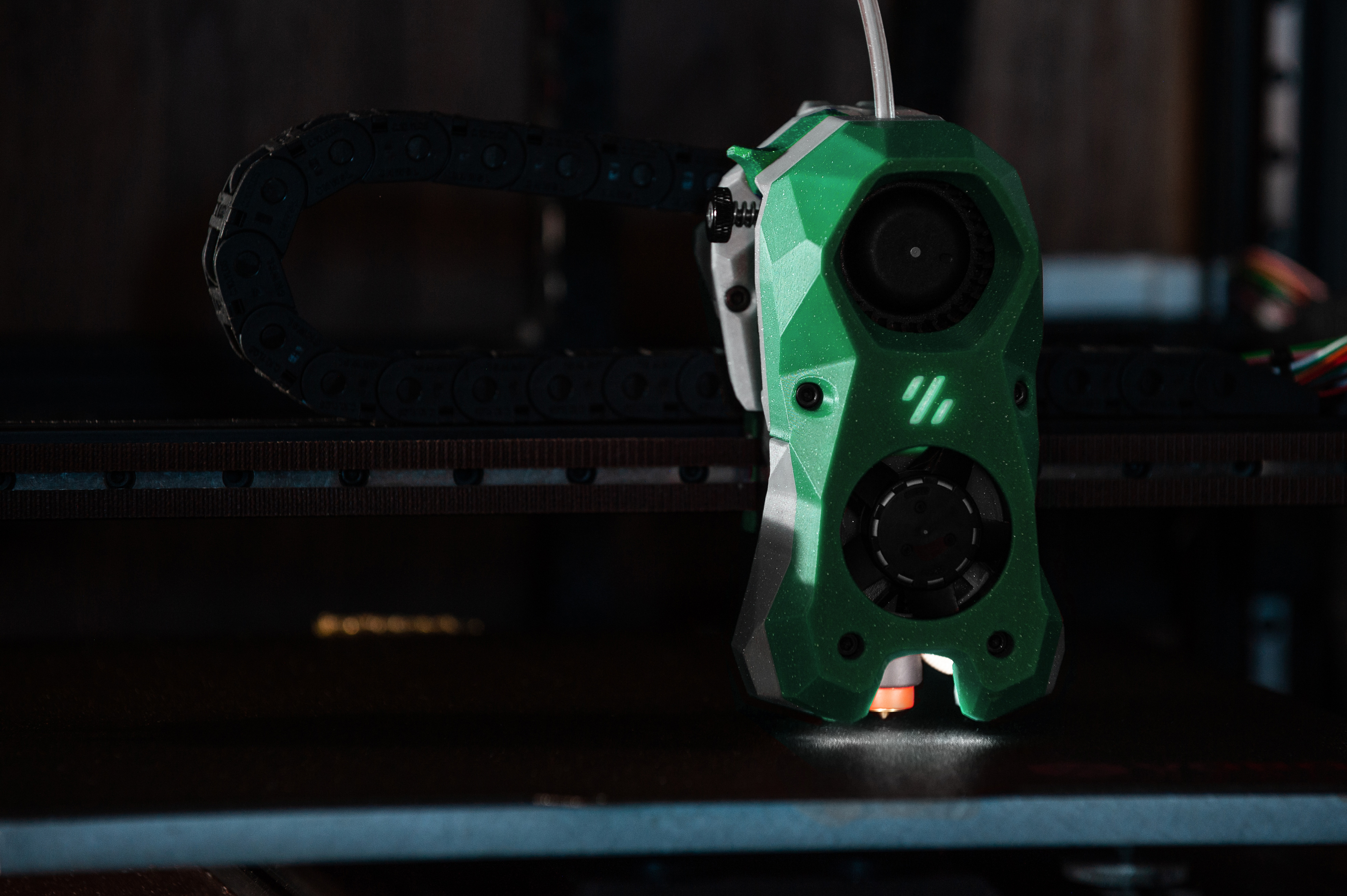
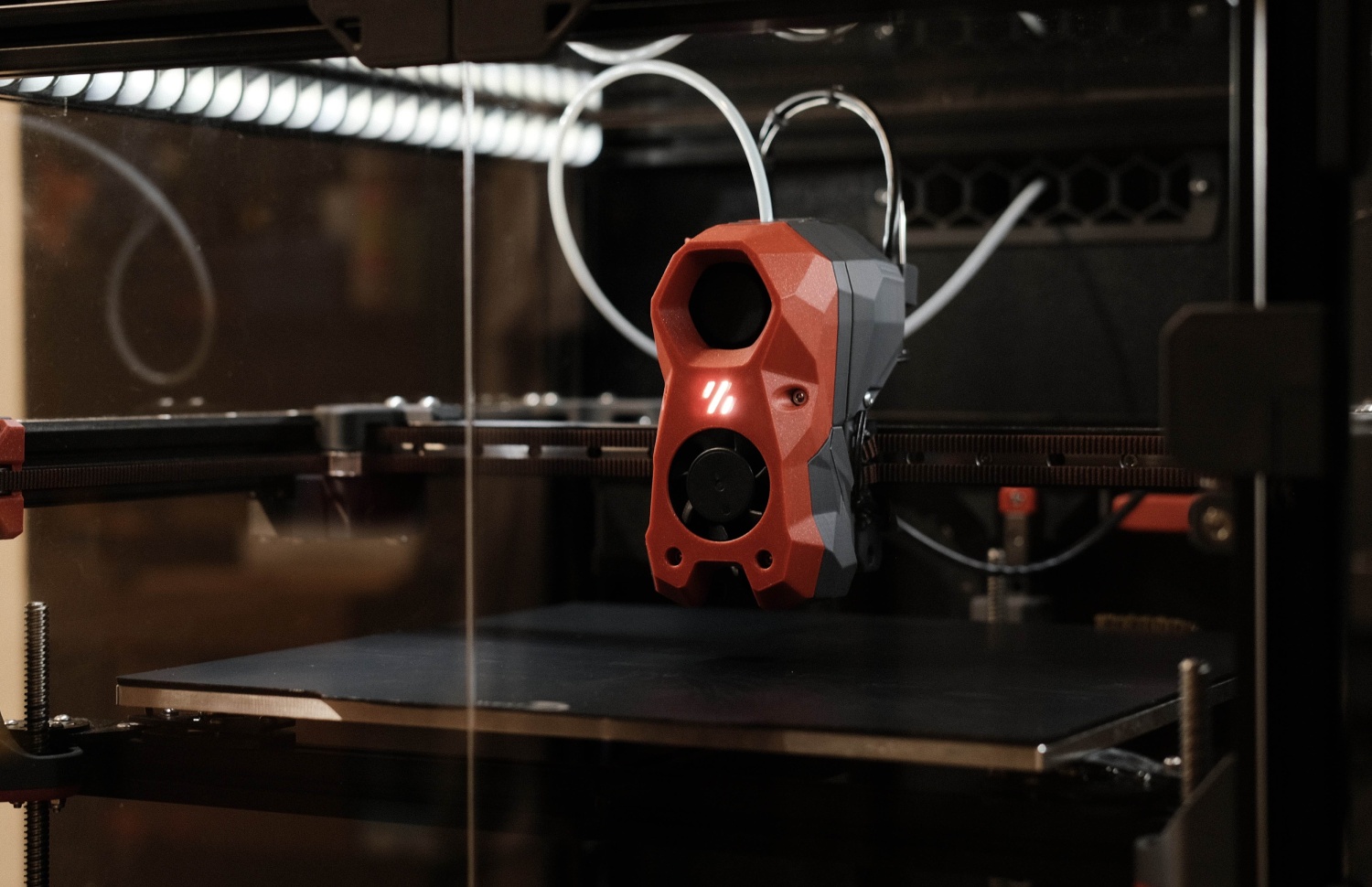
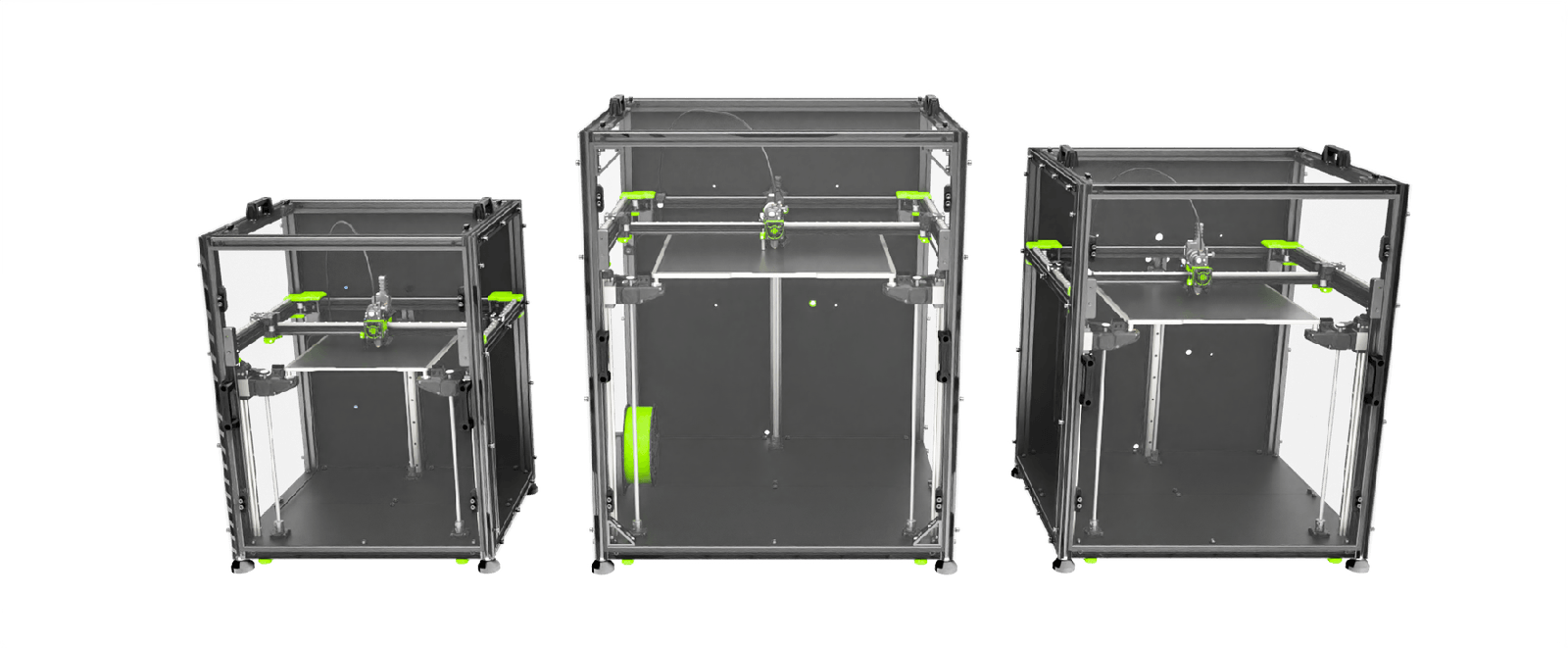
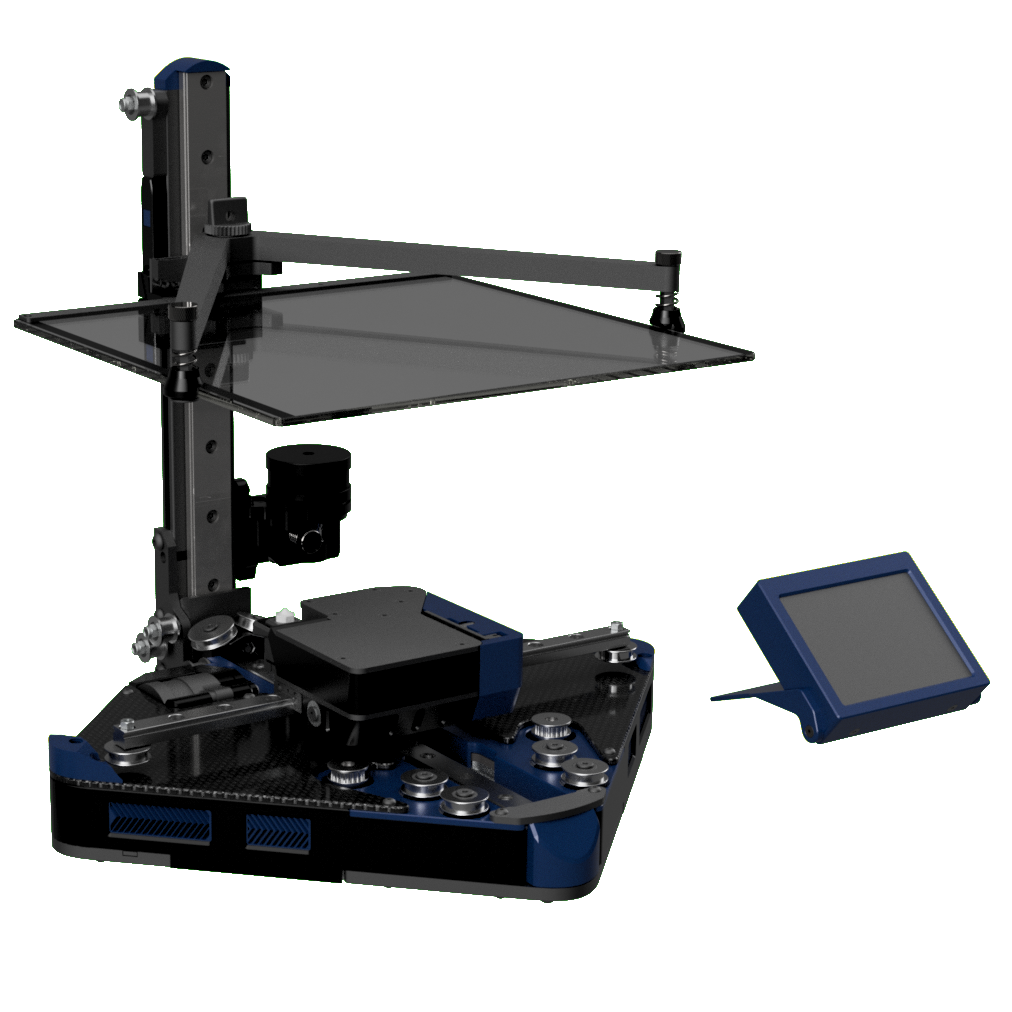
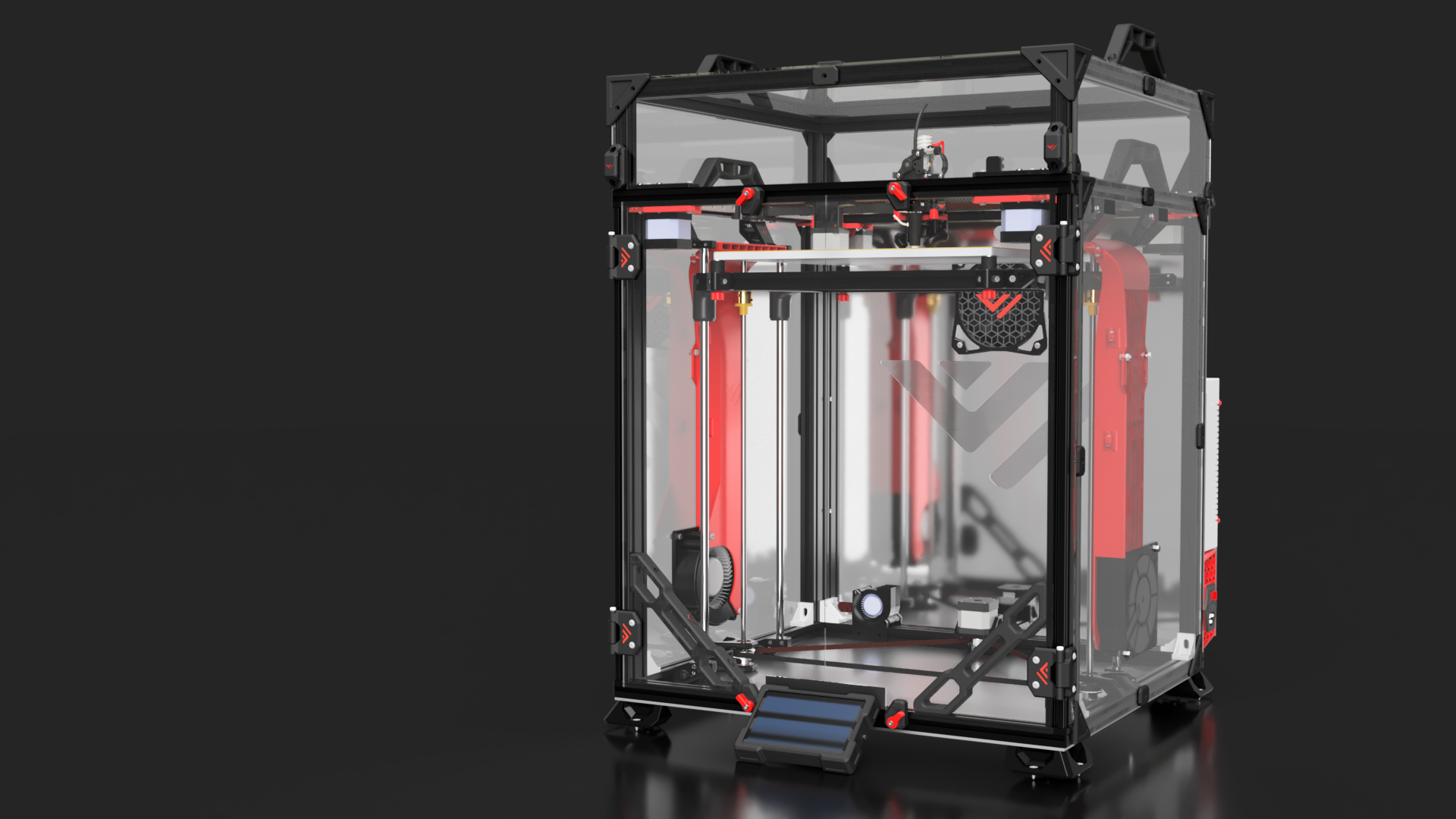
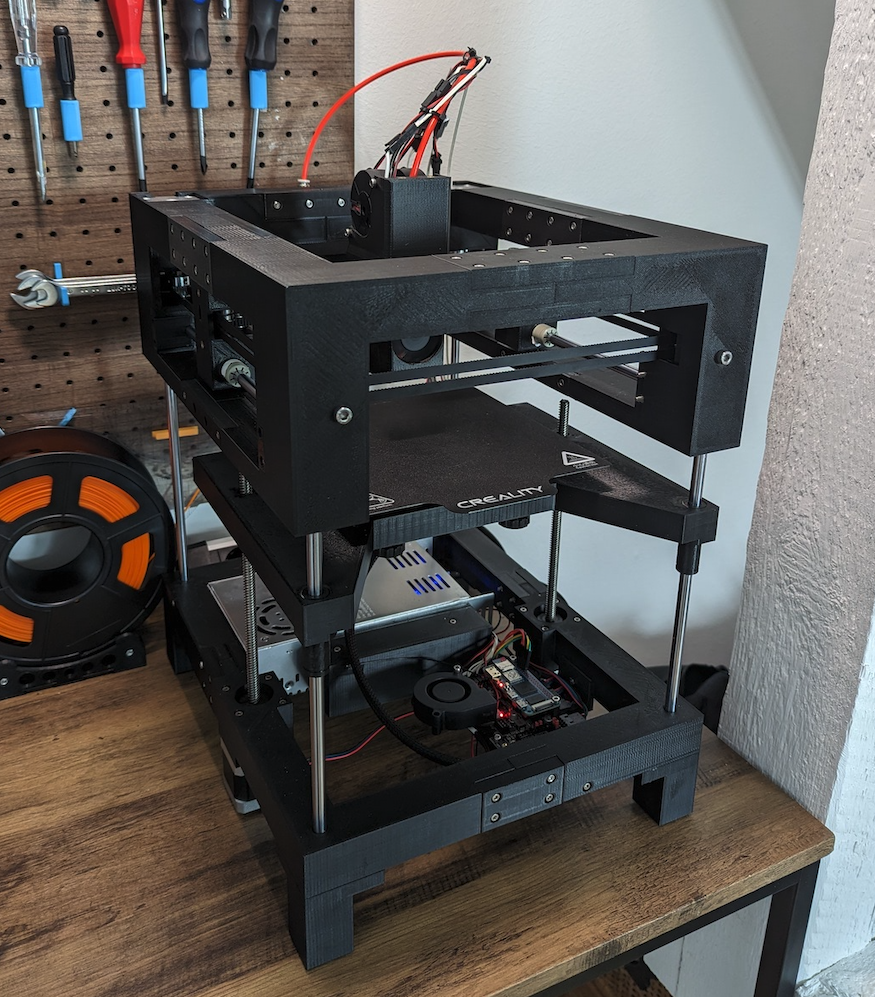
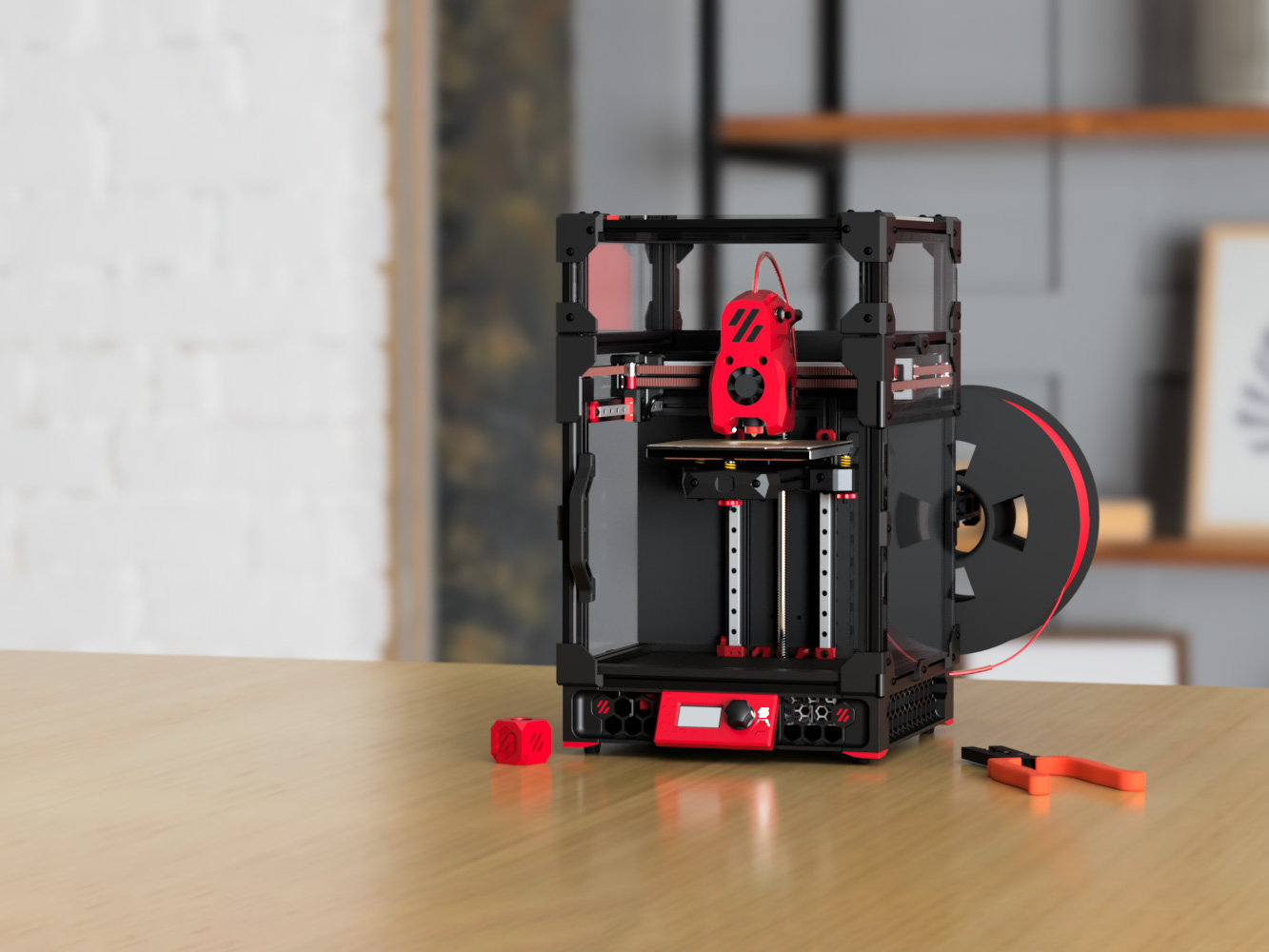
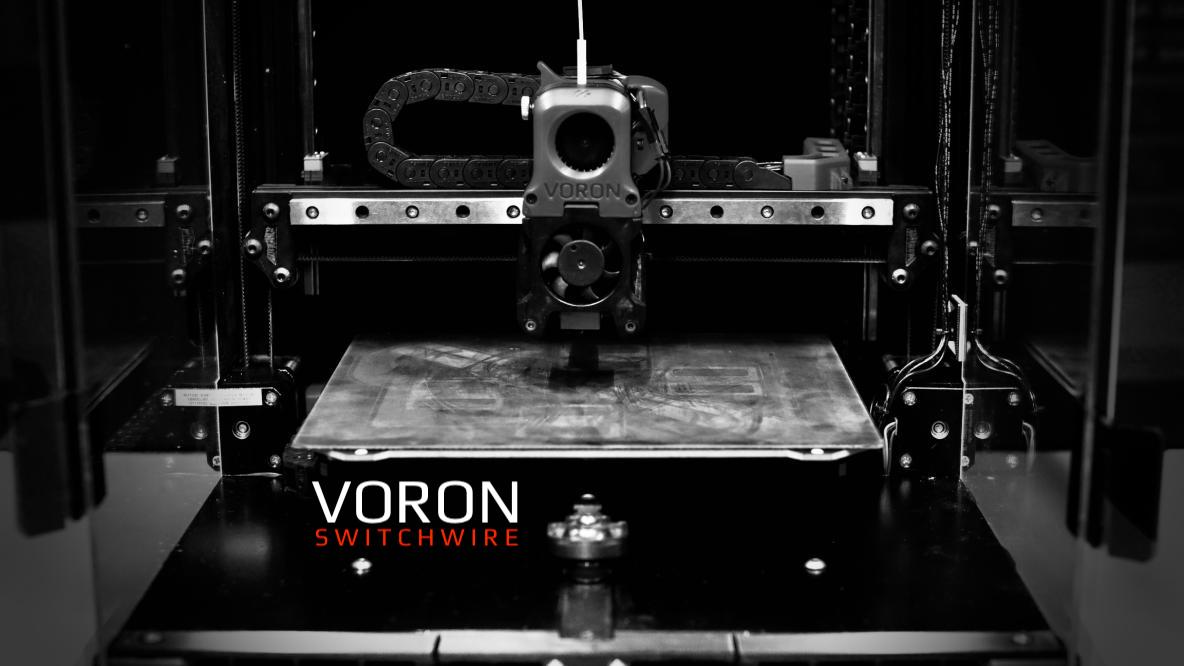
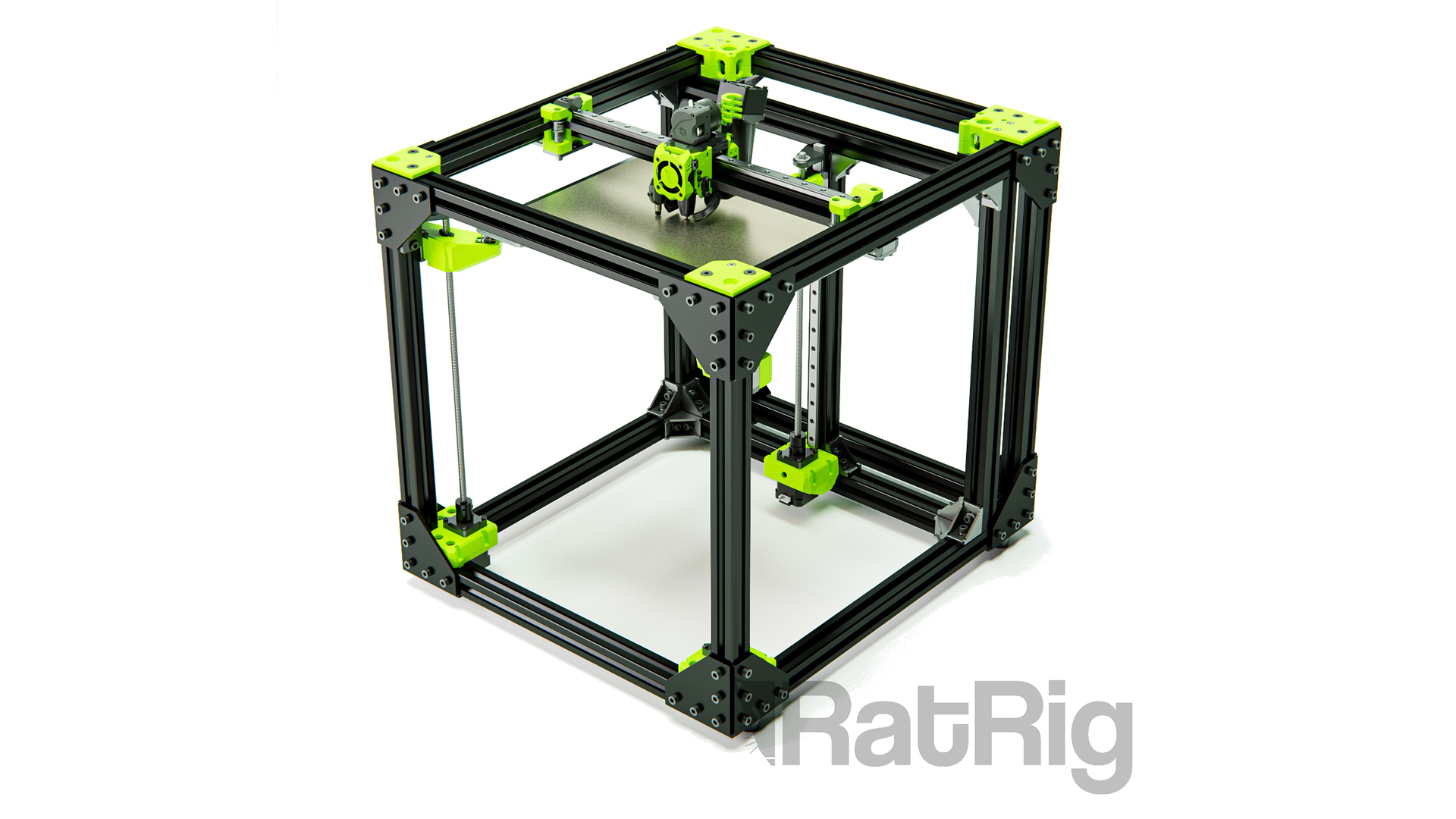
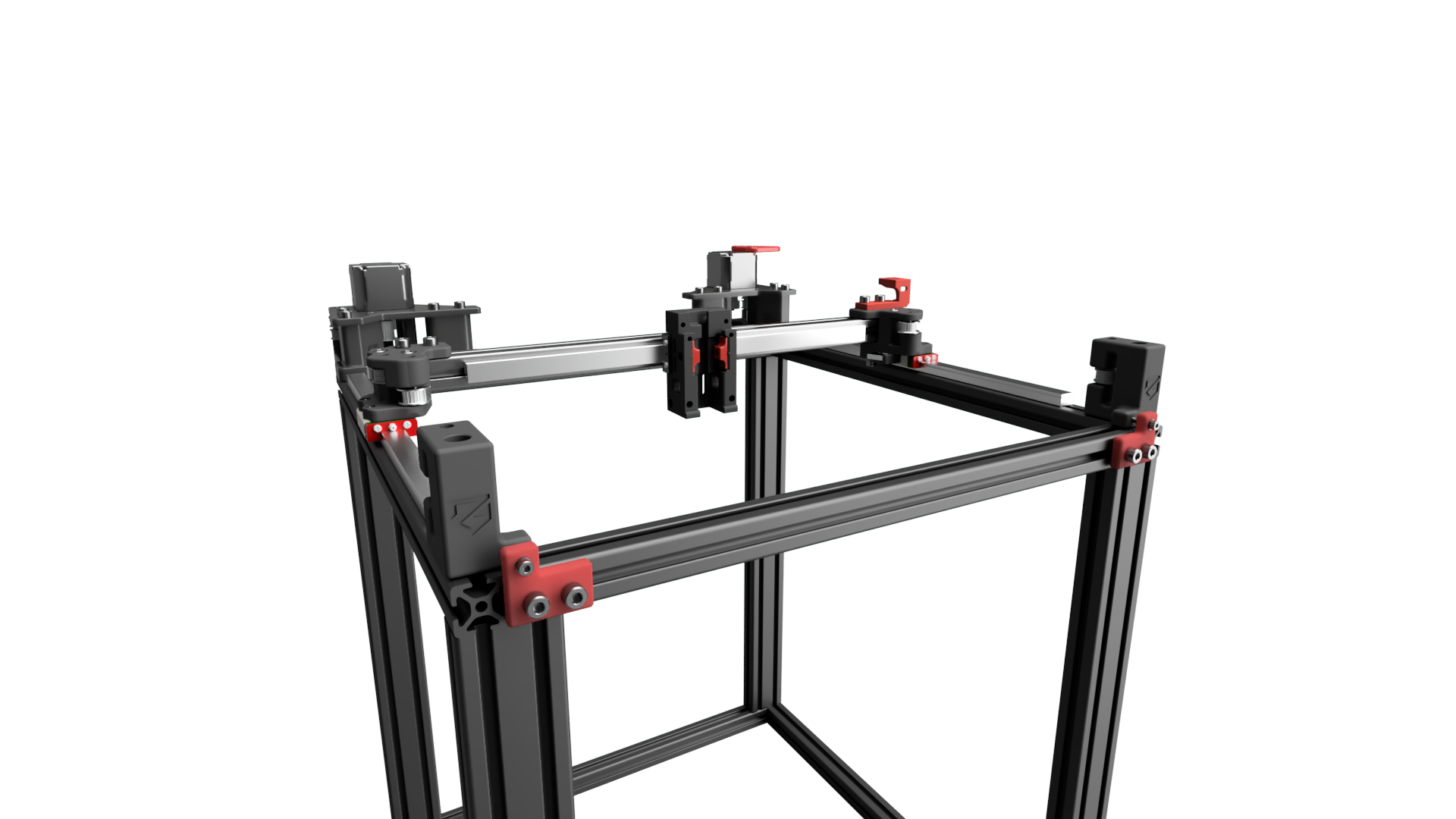
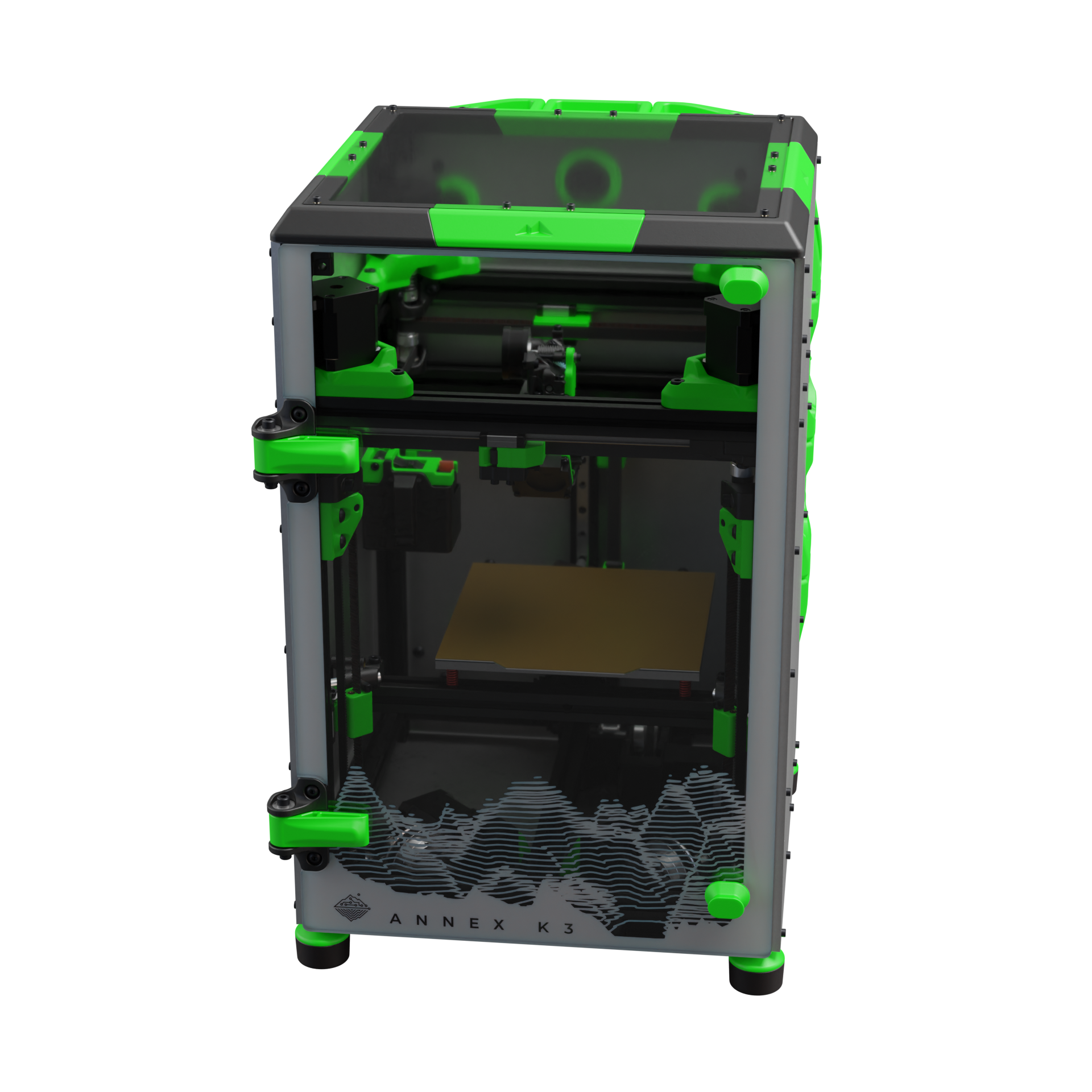
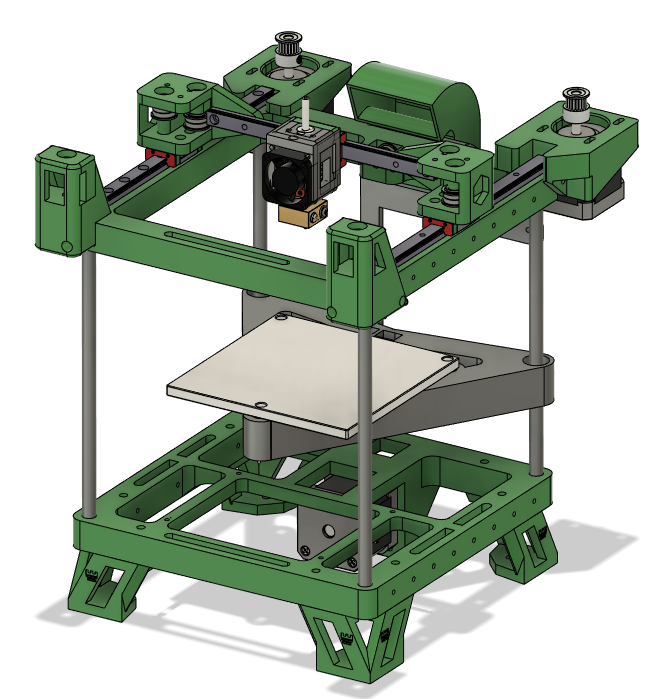
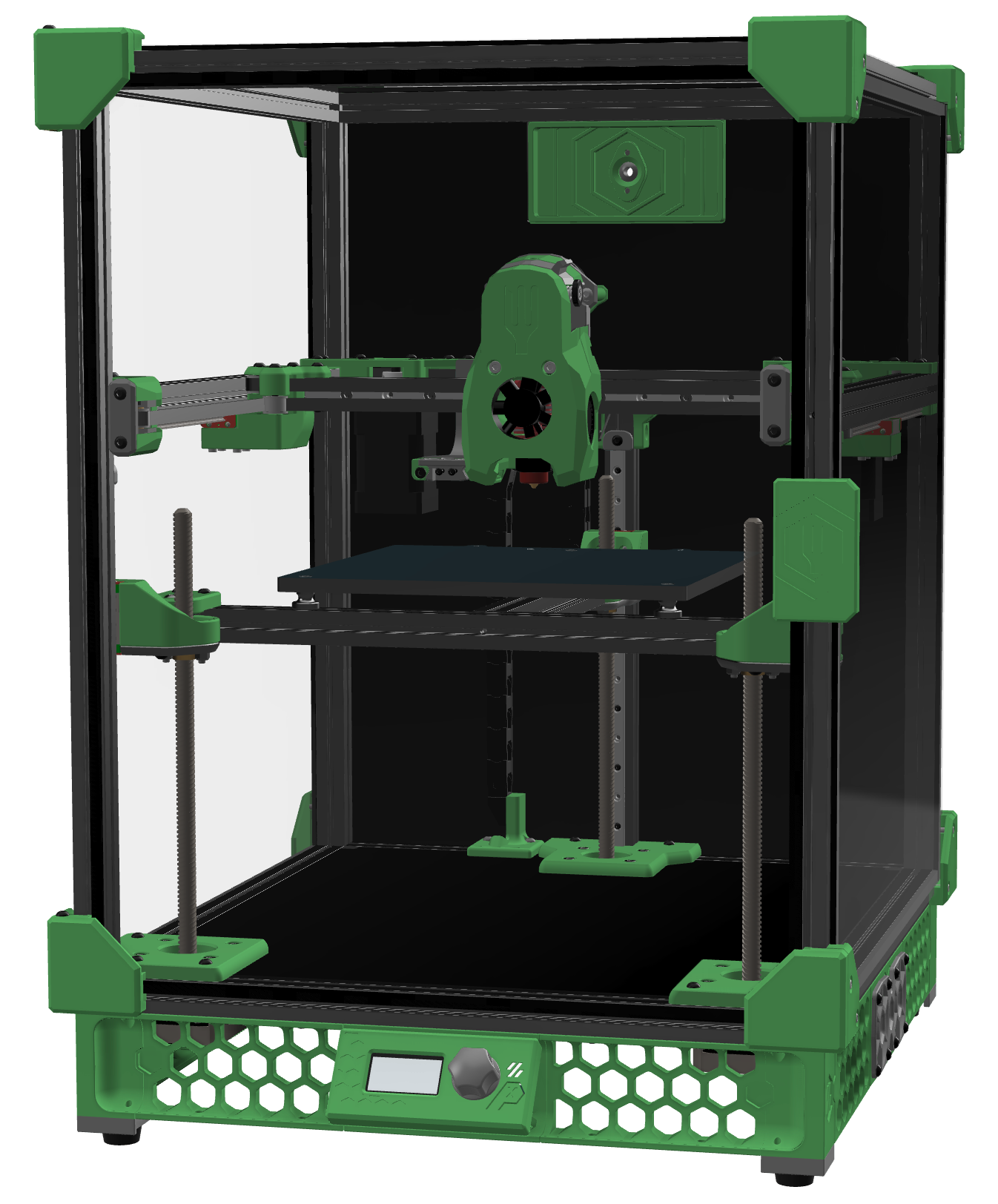
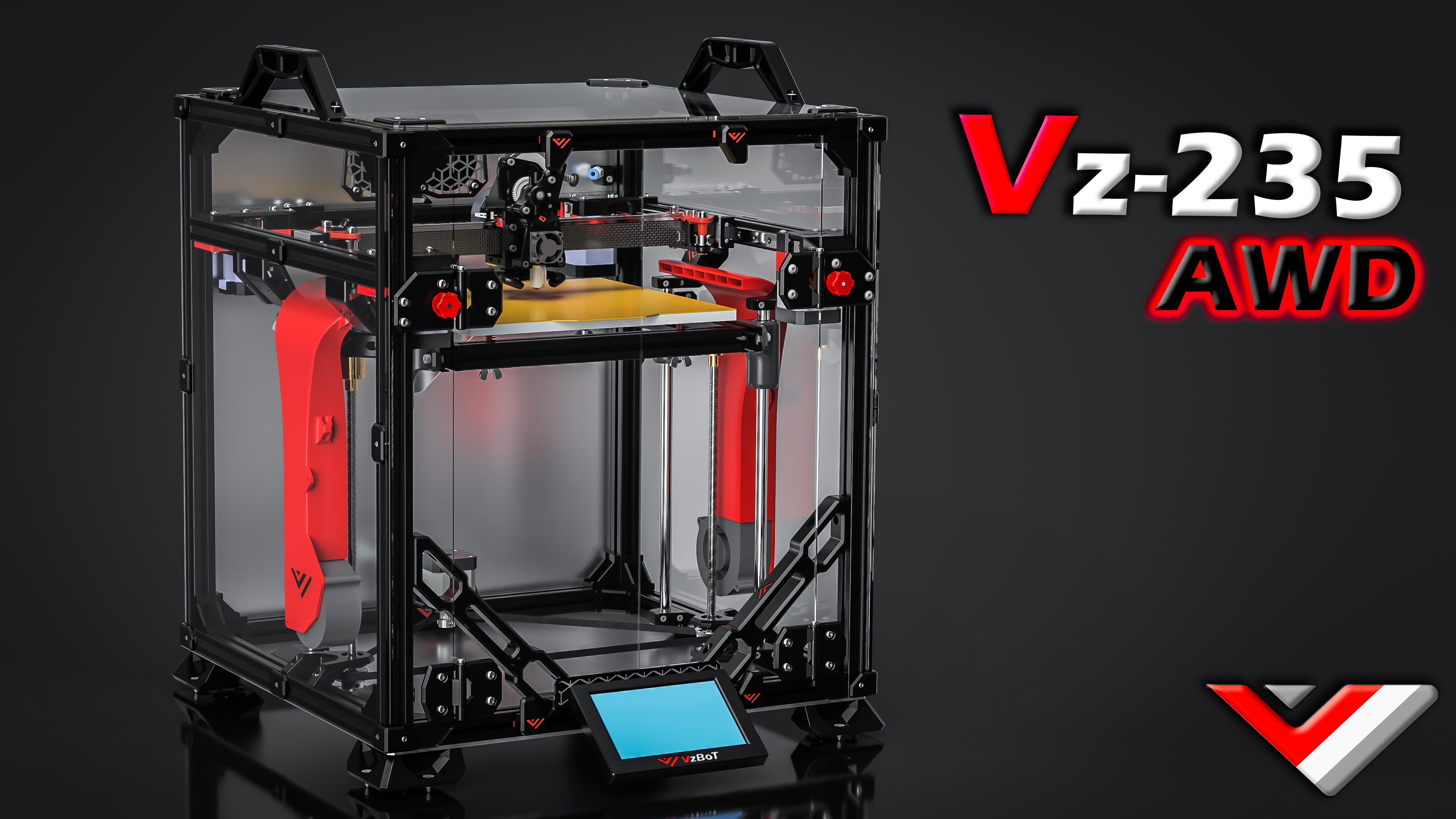
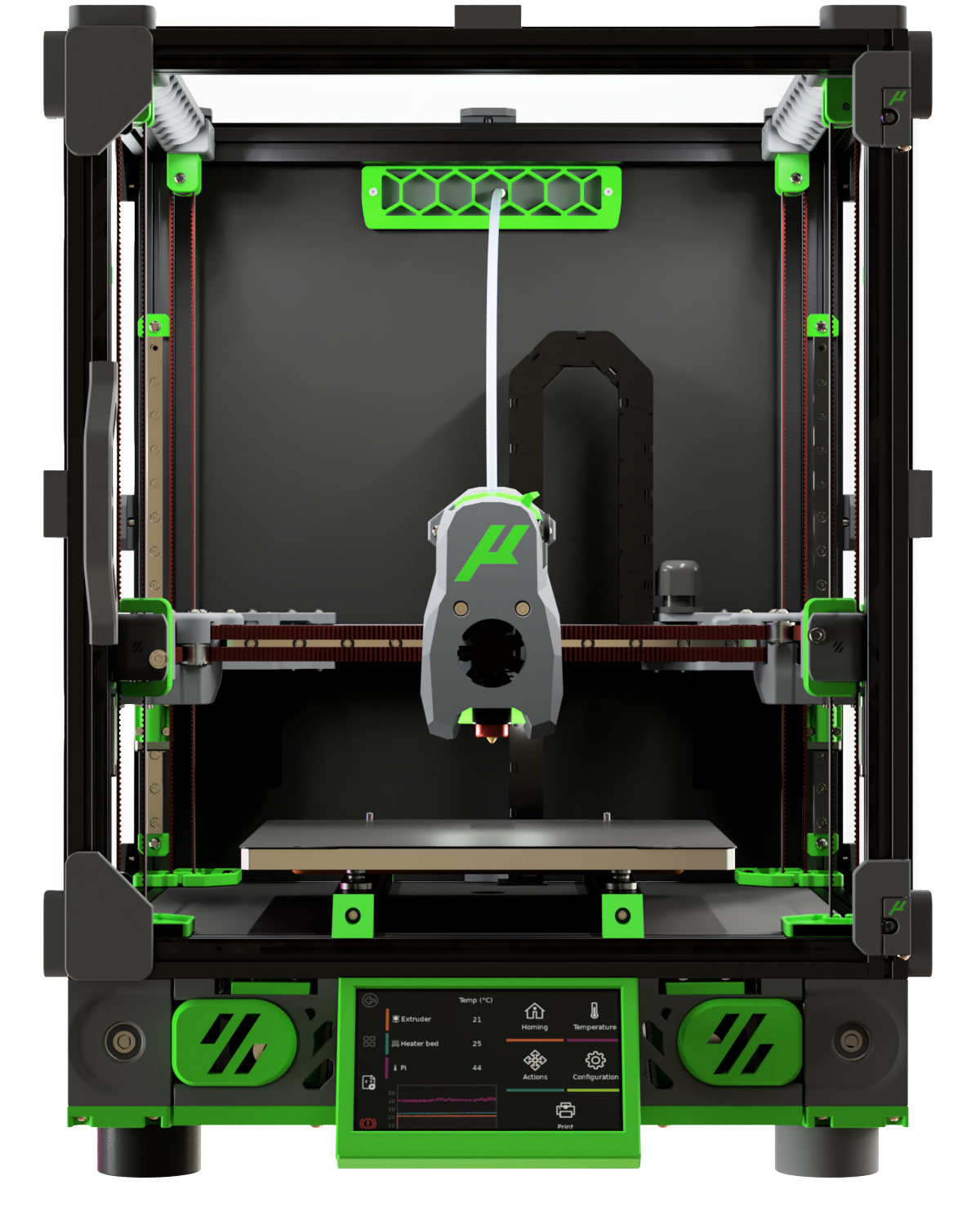
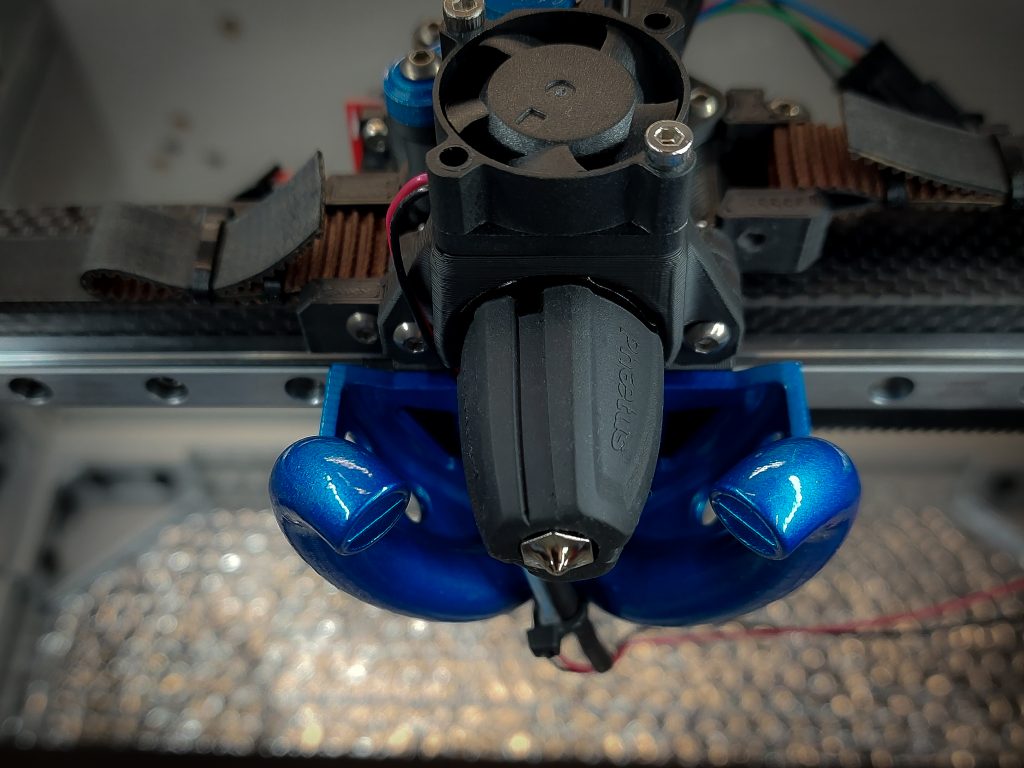
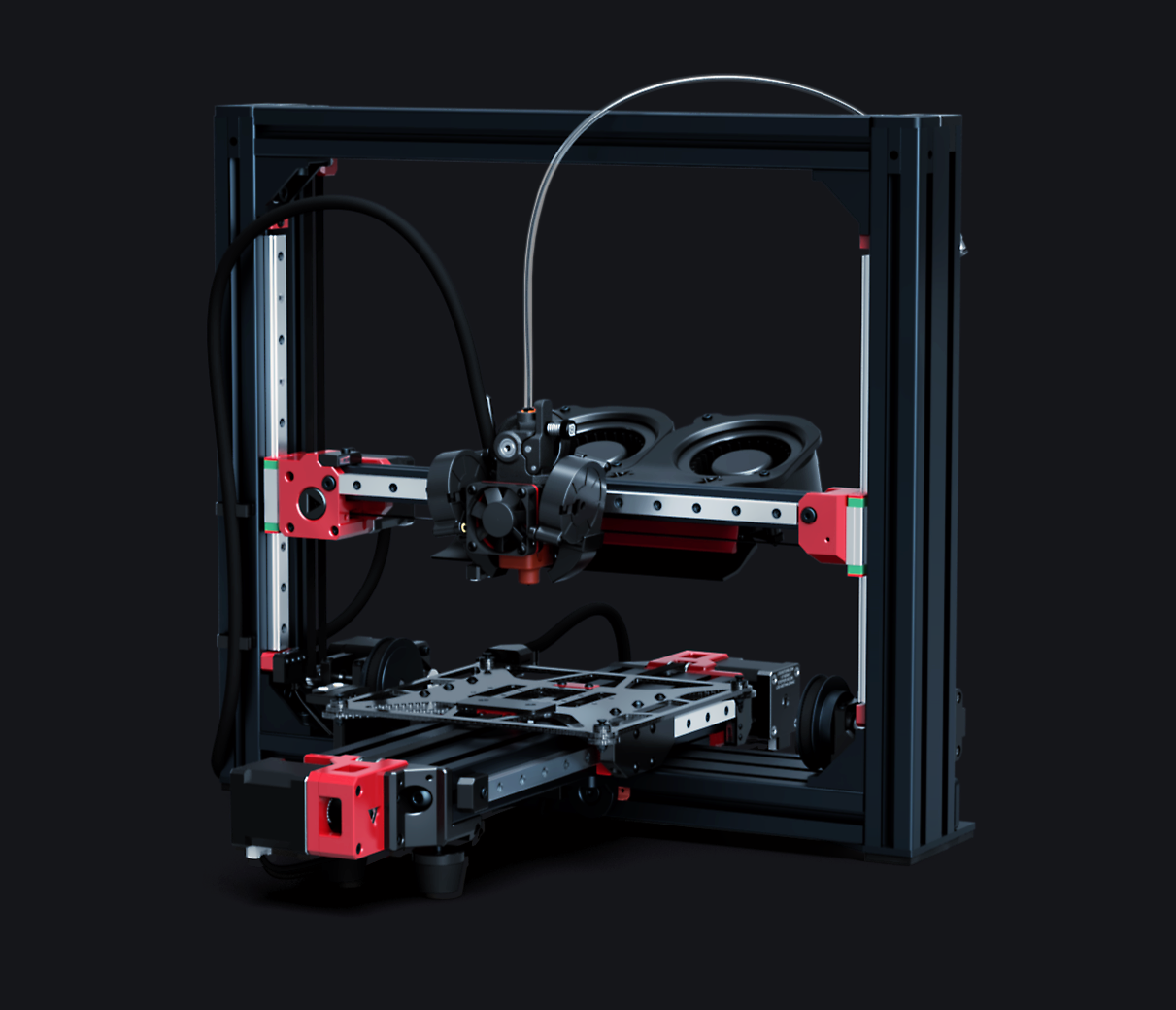
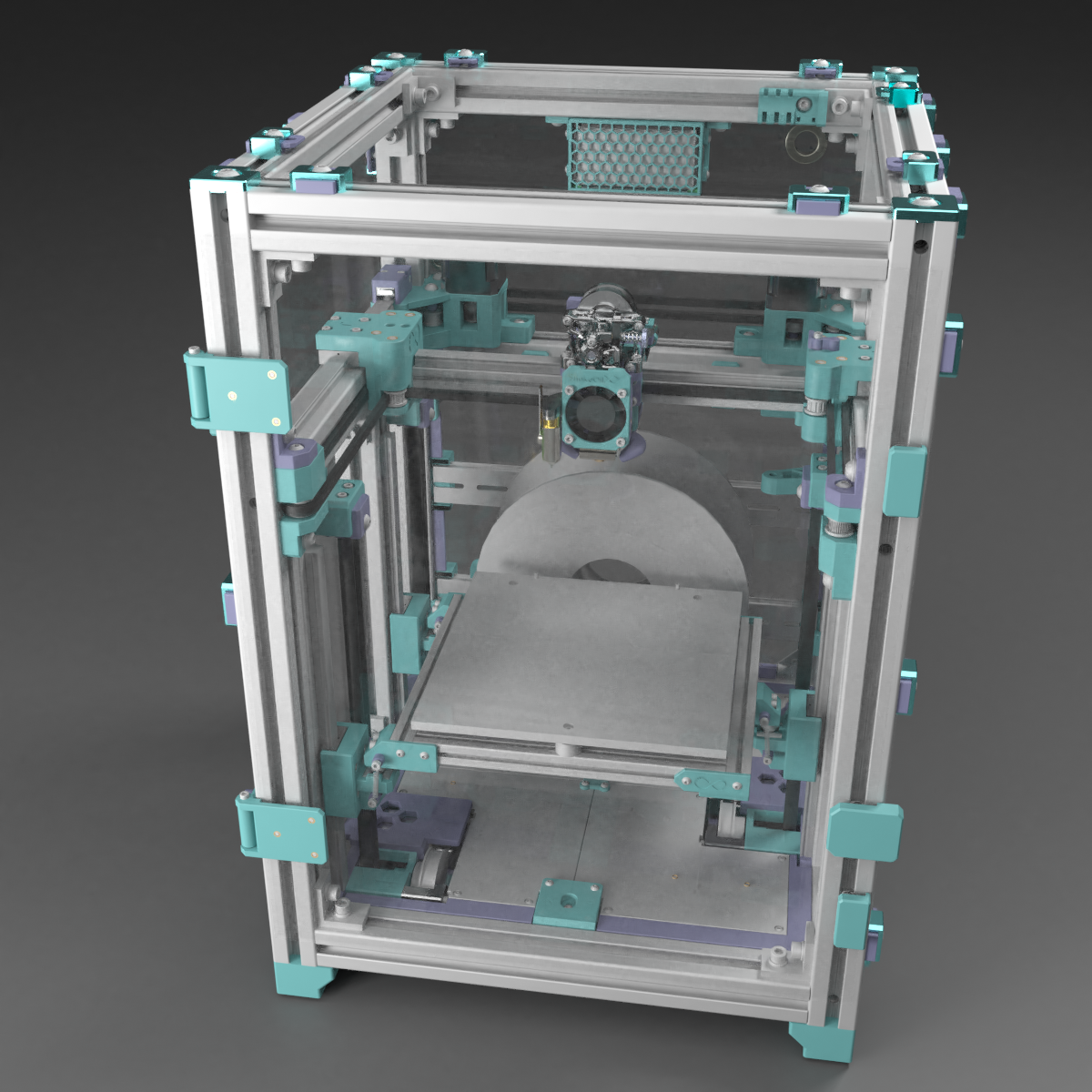
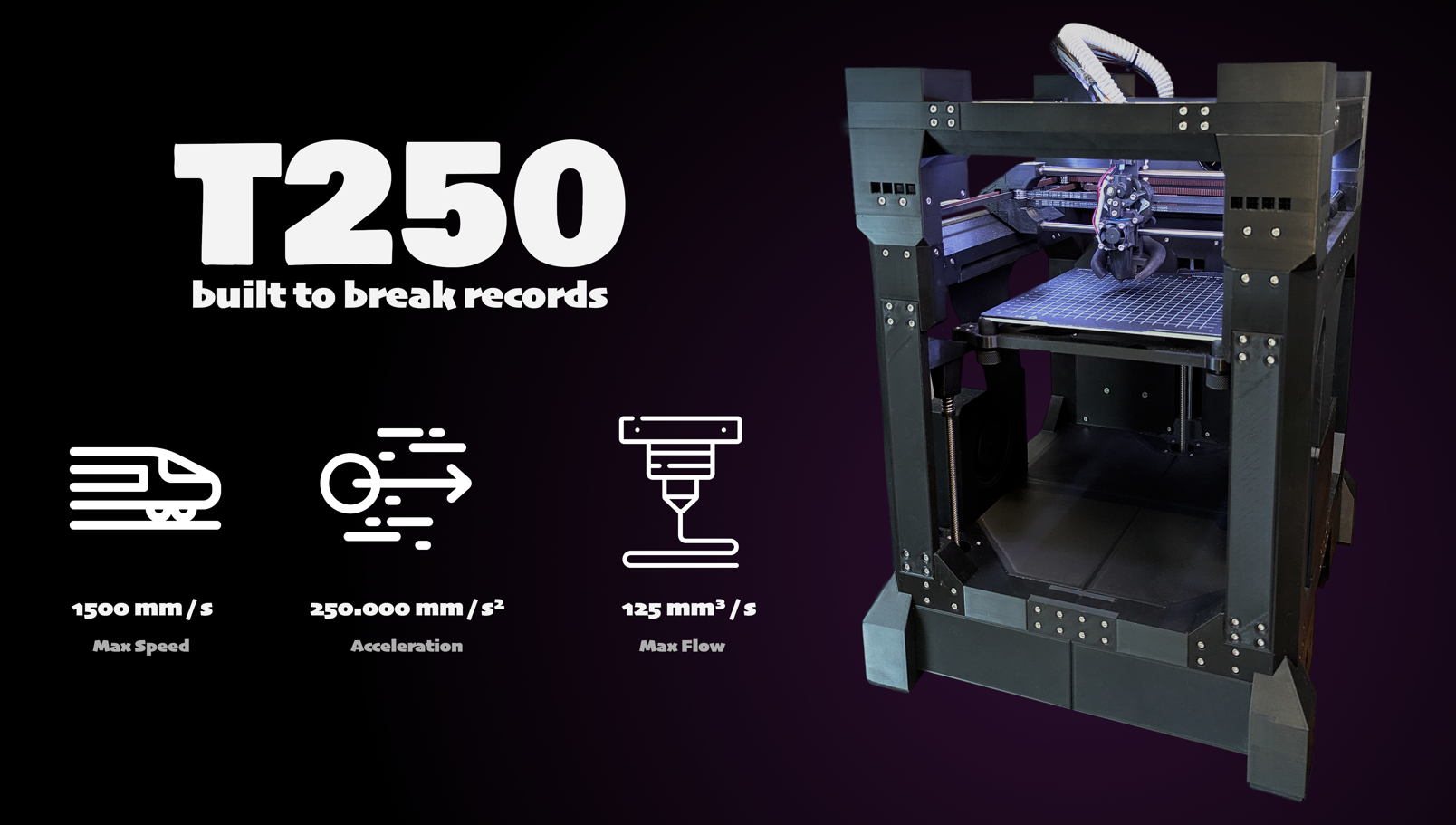
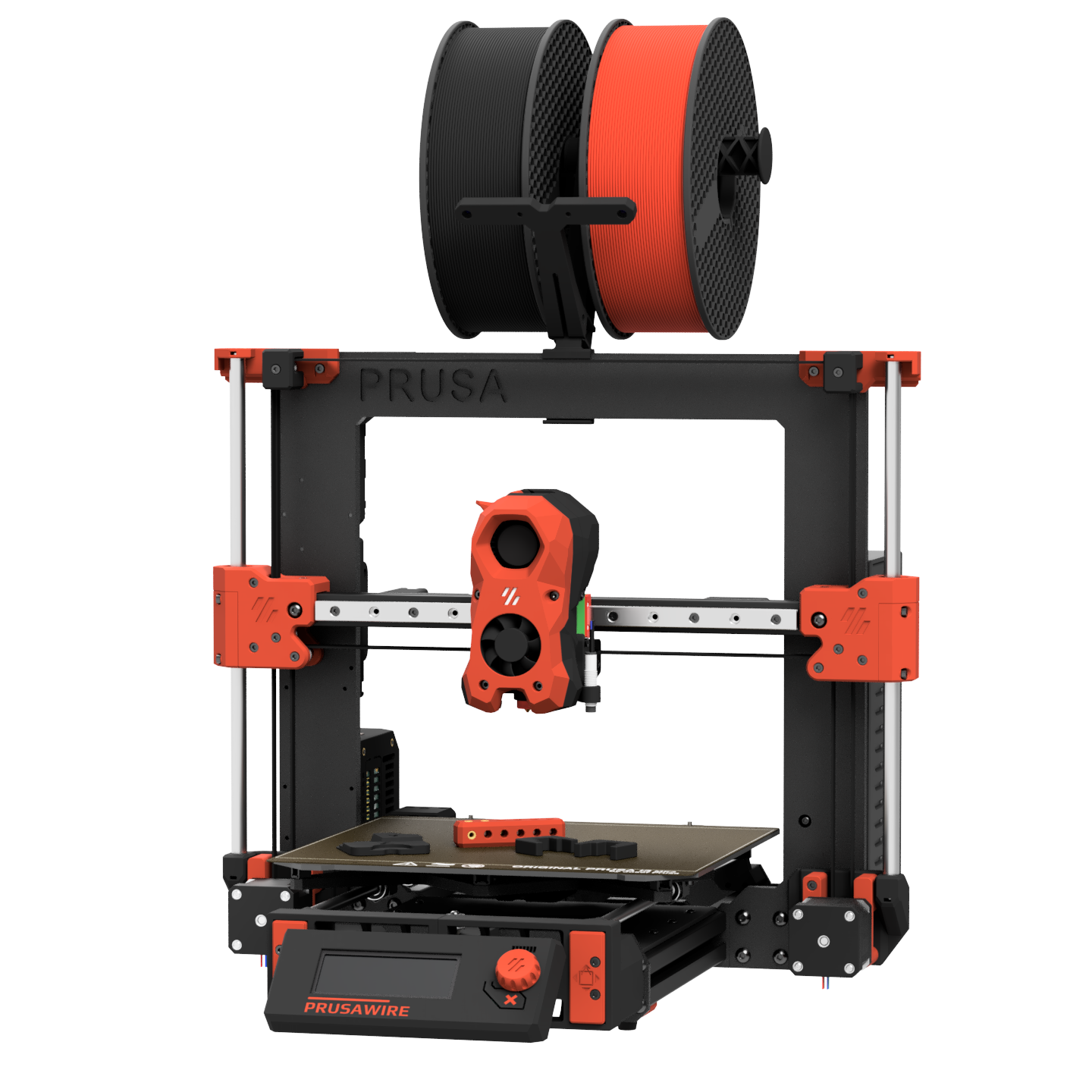
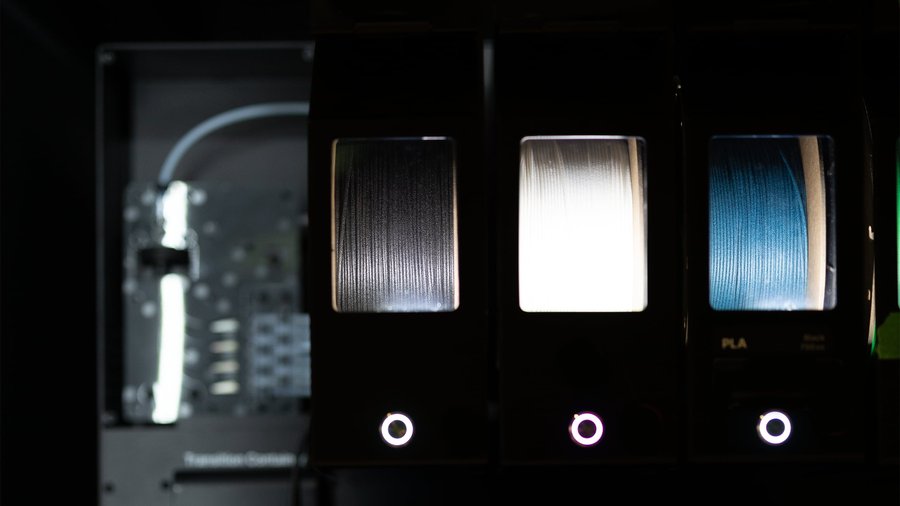
Open-source, self-sourced, and community-built printers — click any card for details and BOM access. For commercial/pre-assembled printers see .
Printers / Off-the-shelf
Off-the-shelf printers
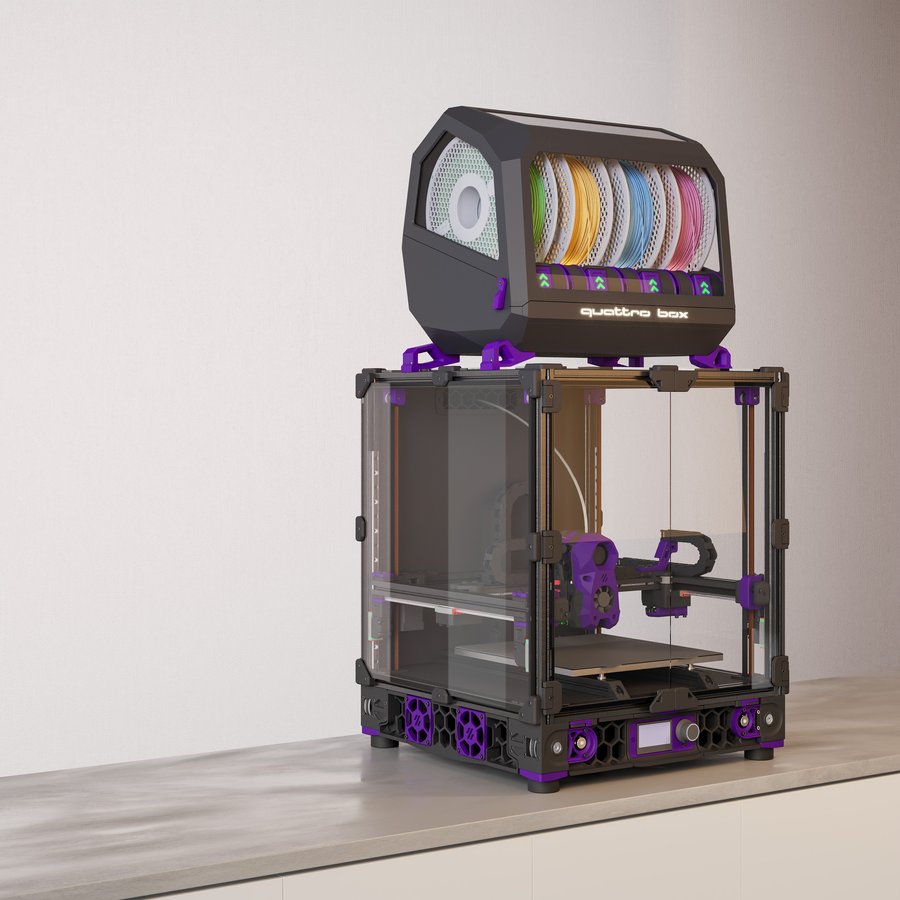
Commercial, pre-built, and semi-kit printers — click any card for specs, use cases, pros/cons, and how they compare to DIY builds.
📋 = Has BOM in Configurator
Printers / Toolheads
Toolhead guide
Explore toolheads by machine — view pros, cons, and compatibility.
Printers / Multi-material
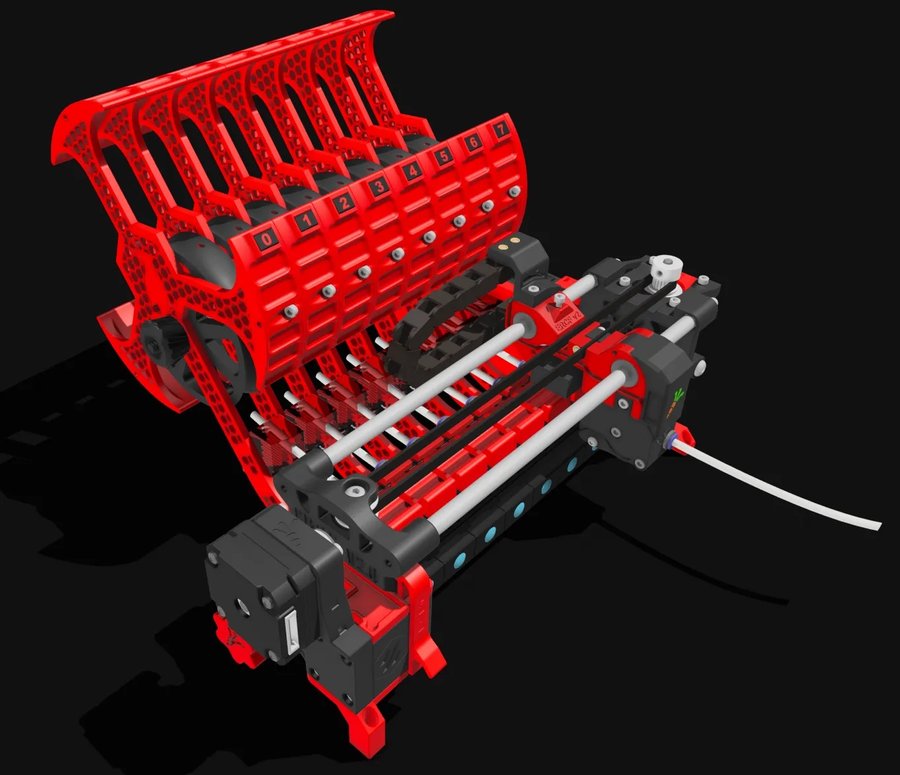
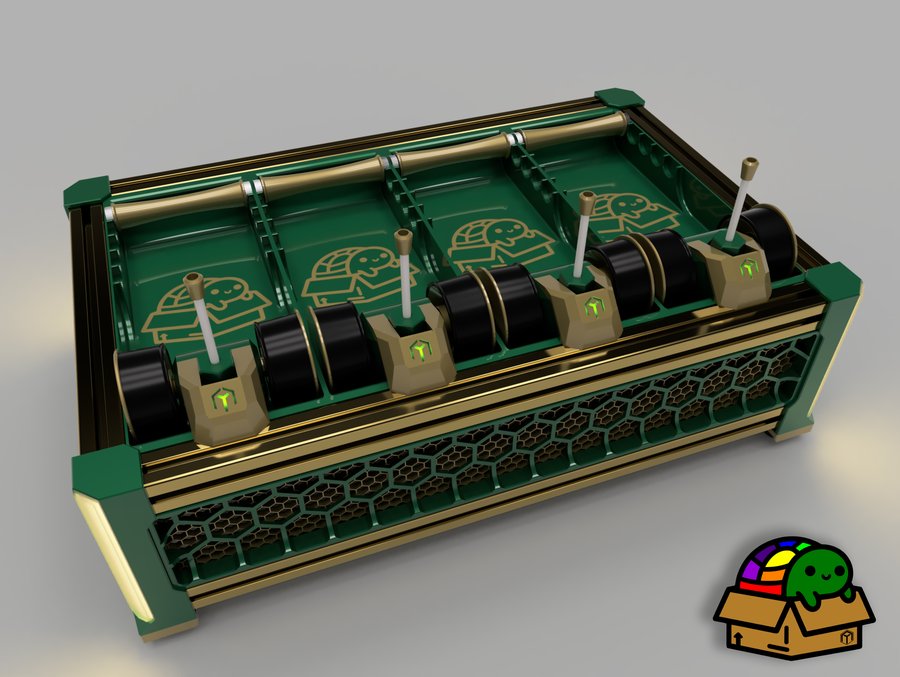
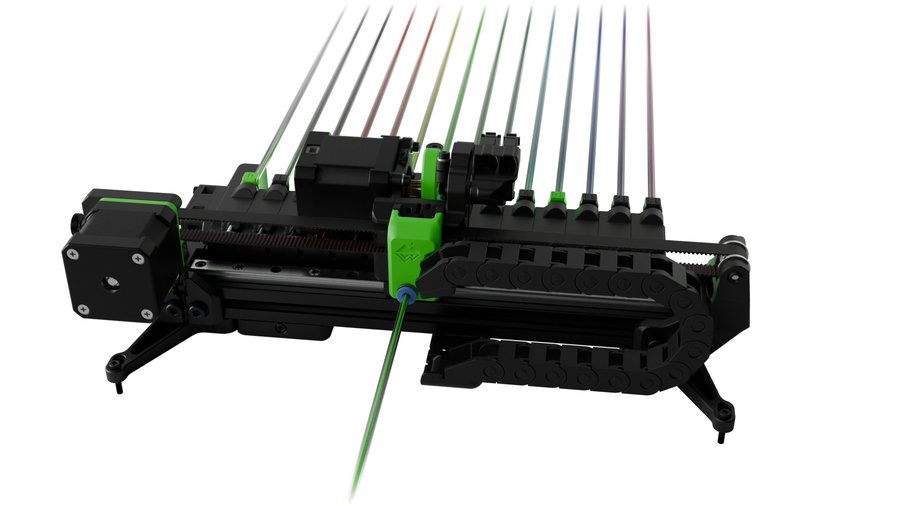
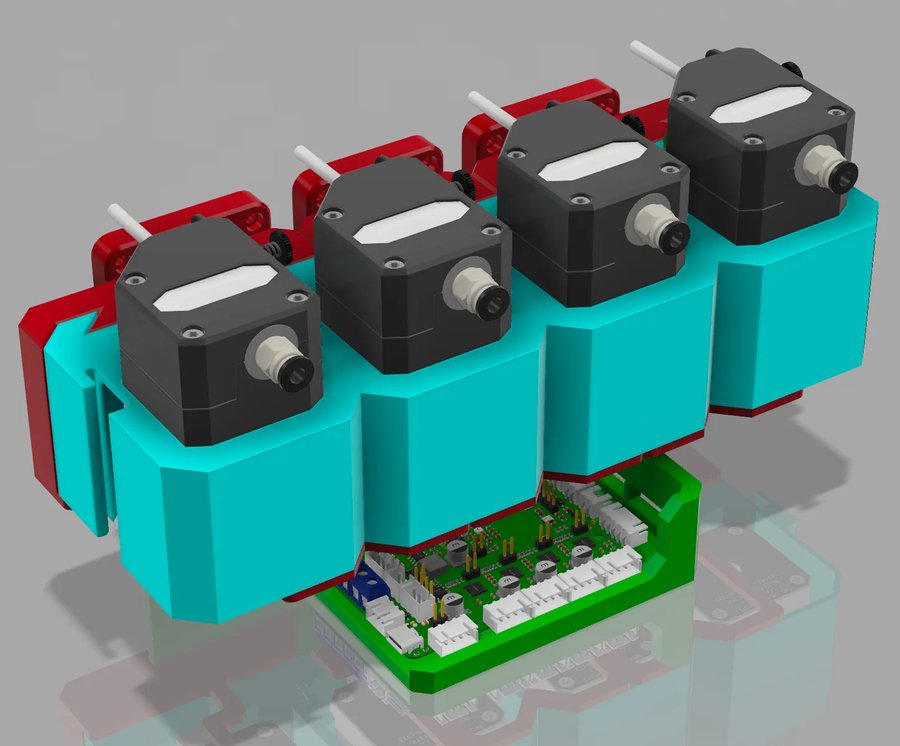
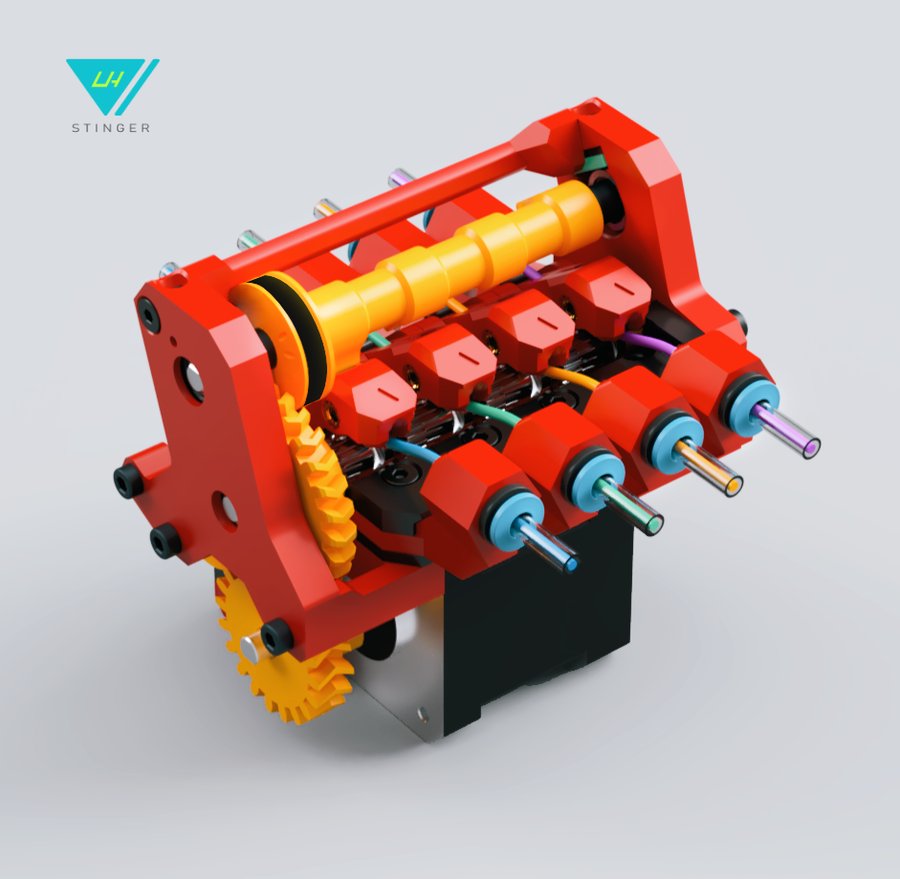
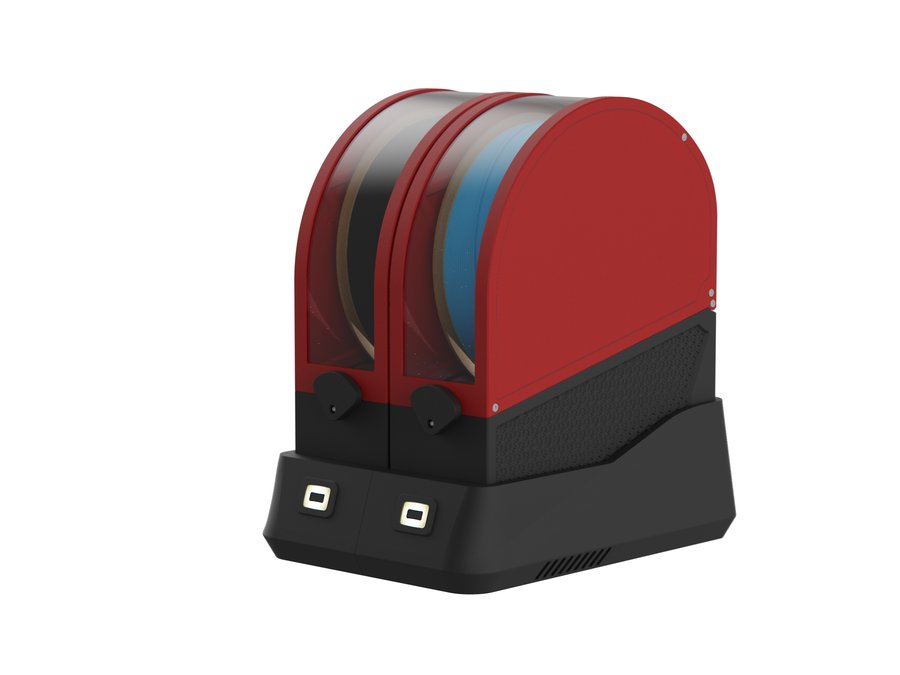
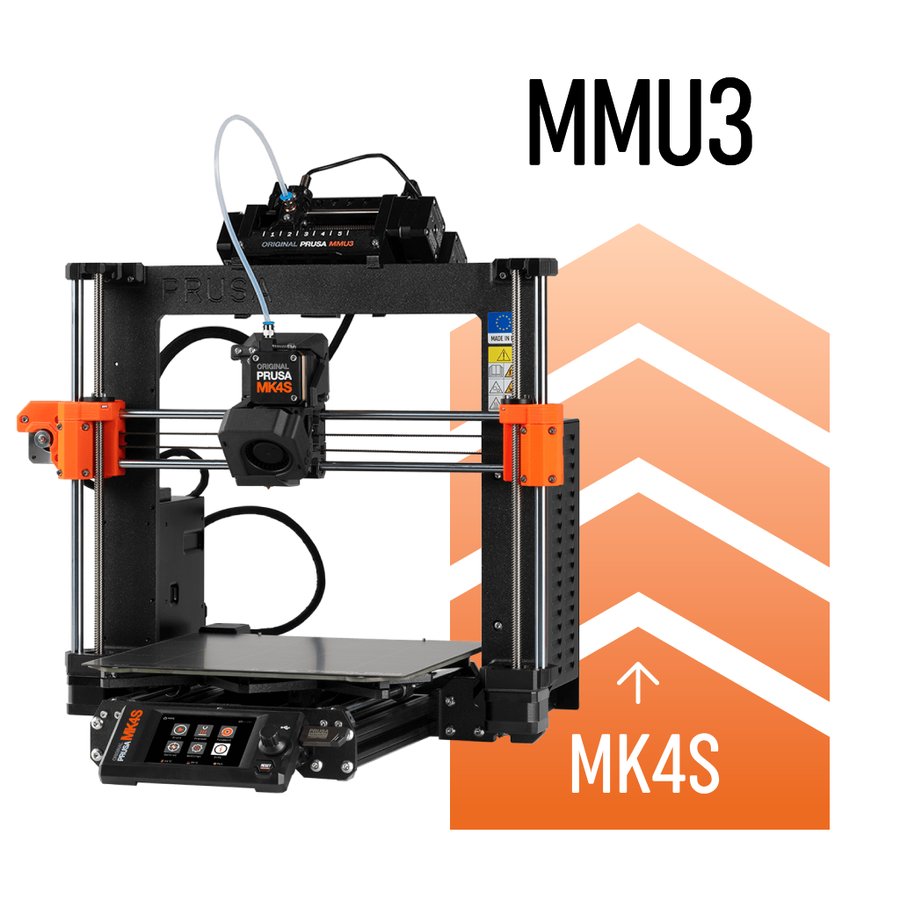
Multi-material units
Compare MMU systems and explore their features.
Materials / Filaments
Filaments & materials
A material-first reference: standard, filled, nylon, flexible, high-performance and specialty filaments — pros, cons, TDS data and when to use each.
Printers / Compare
Compare printers
Put two or three machines side by side on build volume, speed, temperatures and materials. DIY designs and off-the-shelf printers compare in the same table, so you can weigh building against buying.
Electronics
Electronics
Every board, sensor and probe that goes into a Klipper printer — mainboards, host computers, toolhead boards and Z probes, each entry sourced from manufacturer documentation.
Electronics / Mainboards
MCUs & mainboards
Compare mainboard controllers for Klipper printers — stepper slots, CAN bus, processors, and compatibility.
Electronics / Host computers
Single-board computers
Raspberry Pi, Orange Pi, BTT CB1/CB2, and other Klipper host boards — specs, OS downloads, and setup guides.
Electronics / Toolhead boards
Toolhead boards
CAN bus, USB, and passive toolhead boards — EBB, Nitehawk, H36, Hartk, and more.
Electronics / Probing
Probes & bed scanners
Eddy-current scanners, nozzle-contact probes, inductive sensors, and deployable-pin probes for Z homing and bed meshing.
Choosing a probe: Eddy-current scanners (Cartographer, Beacon) mesh the whole bed in seconds and act as the Z endstop, but need a metal bed. Nozzle-contact probes (Voron Tap) give a perfect Z offset on any surface. Inductive sensors are the simple, proven budget option, and deployable-pin probes (BLTouch) work on literally any bed including glass. All options below are configurable in the .
Eddy CurrentContact Z
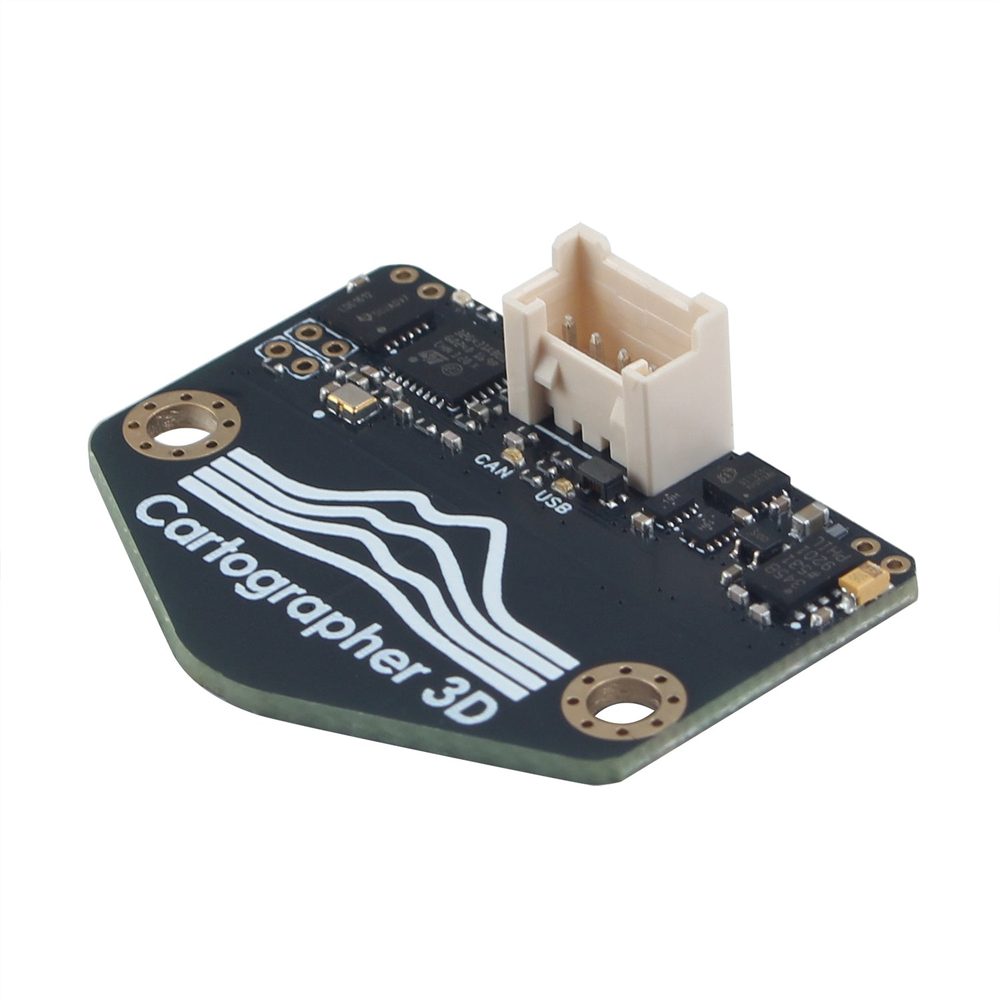
Cartographer3D
Cartographer V4 AIO
The 2026 all-in-one revision of the Cartographer eddy-current scanner. V4 switches between USB and CAN in firmware (no re-soldering), uses a faster MCU rated to 125°C, and refines the coil for higher accuracy. Scans a full bed mesh in seconds without touching the plate, and supports Survey Touch contact probing for true nozzle-referenced Z offset. Fully supported in Klipper via the Cartographer plugin ([scanner] section) and in this site's Klipper Configurator.
$60–75Details →
Eddy CurrentContact Z
Beacon (US)
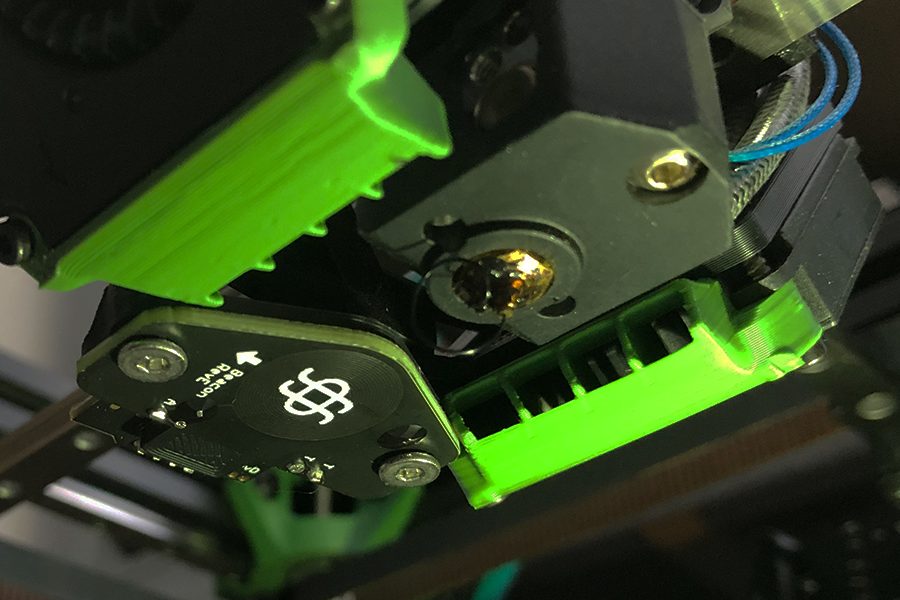
Beacon
The original high-speed eddy-current bed scanner for Klipper. Scans the entire bed contactlessly at print speed, homes Z without an endstop, and — on current RevH hardware — supports contact probing for automatic Z offset directly off the nozzle. Excellent documentation and mature, actively maintained Klipper module.
$80–90Details →
Eddy Current
BigTreeTech (BTT)
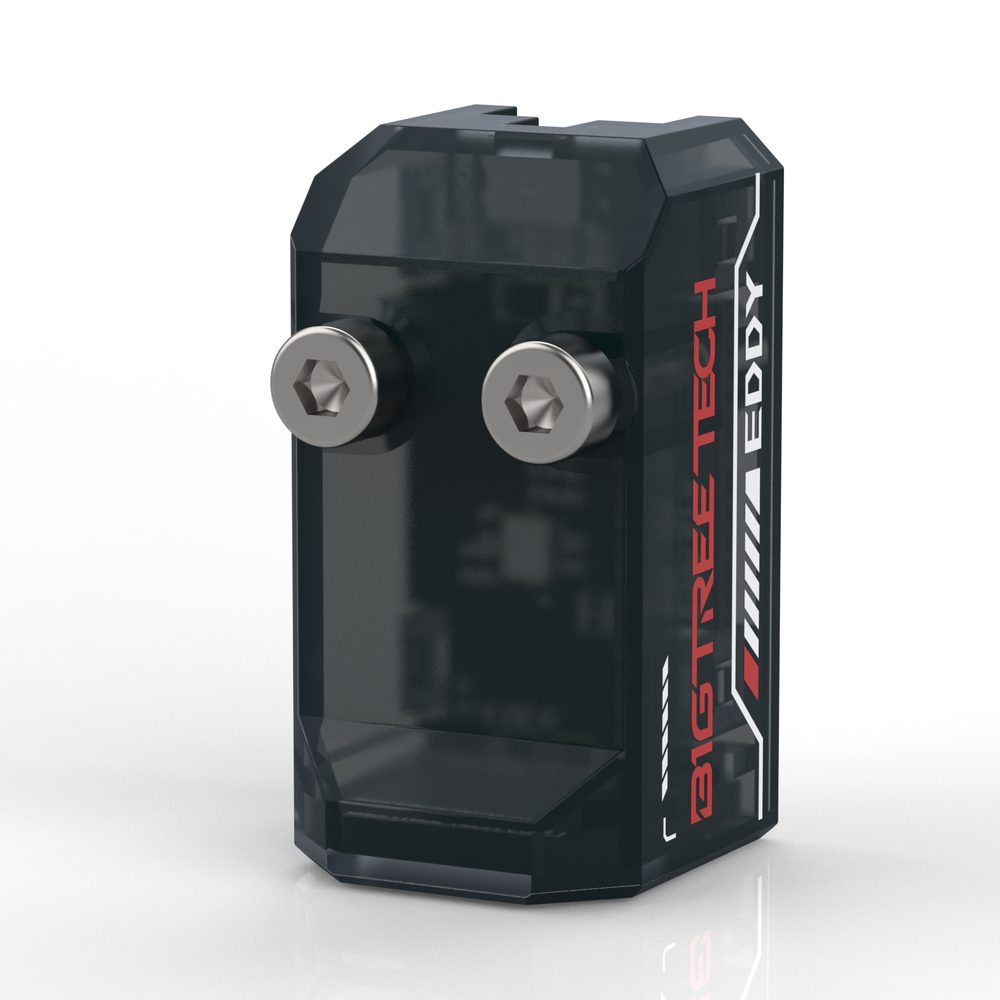
BTT Eddy
BigTreeTech's budget eddy-current probe family using the LDC1612 sensor, supported natively by Klipper's [probe_eddy_current] section — no third-party plugin required. The most affordable way into contactless bed scanning, at the cost of the refinement and contact-probing features of Beacon/Cartographer.
$20–35Details →
VDNozzle / ContactContact Z
Voron Design
Voron Tap
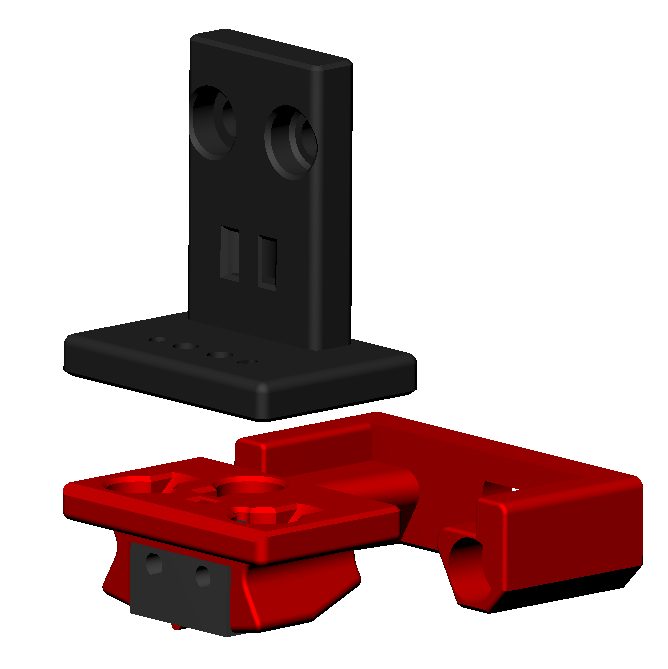
Voron's official nozzle-contact probe: the whole toolhead is mounted on a short MGN9 rail, and probing pushes the nozzle into the bed until an optical interrupter triggers. Because the nozzle itself is the probe, Z offset is inherently correct for any bed surface, any temperature. CNC metal versions (Vitalii3D, Chaotic Labs, etc.) improve stiffness over printed kits.
$25–60 (kit or self-source; CNC versions more)Details →
Nozzle / Contact
Community (jlas1)
Klicky / Unklicky
A magnetically-attached detachable probe: the toolhead picks up a microswitch probe body from a dock before probing and returns it afterward, so nothing hangs off the toolhead during printing. Dirt cheap, extremely repeatable for a switch-based design, and endlessly adapted by the community (Unklicky, Klicky PCB, Euclid are cousins). The go-to before eddy scanners existed — still great on a budget.
$10–25 self-sourceDetails →
OMInductive
Omron
Omron TL-Q5MC2 (Inductive)
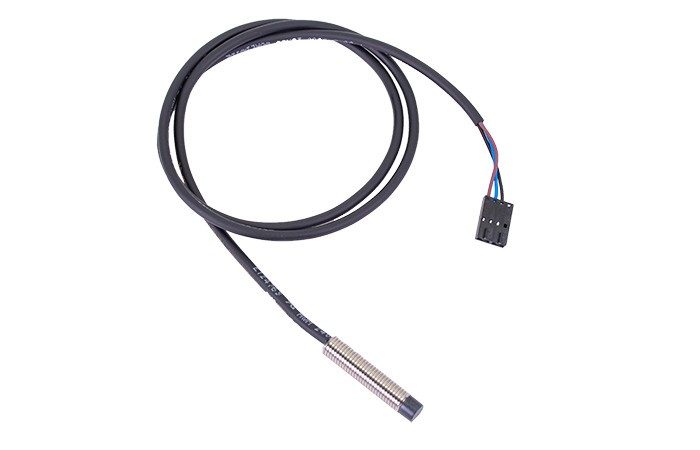
The classic inductive proximity sensor specified in the original Voron BOMs. Senses the metal bed through the build surface — reliable and dumb-simple, but sensitive to temperature drift and only usable over the conductive area of the bed. Requires a BAT85 diode (or divider) to protect 3.3V MCU inputs from its 10-30V output. Still a perfectly good budget choice, and what most stock Voron kits ship.
$10–20 (genuine; clones cheaper)Details →
Inductive
Prusa Research
Prusa SuperPINDA
Prusa's temperature-compensated inductive probe, standard on the MK3S+ family. The 'Super' revision uses a higher-quality sensor that eliminates the thermistor-based compensation of the older PINDA V2. Purpose-built for Prusa's bed and firmware — the reference option for Prusa printers and Prusa-style bedslingers (Switchwire conversions from MK-series parts, etc.).
$25–35Details →
Deployable Pin
Antclabs / Creality
BLTouch / CRTouch
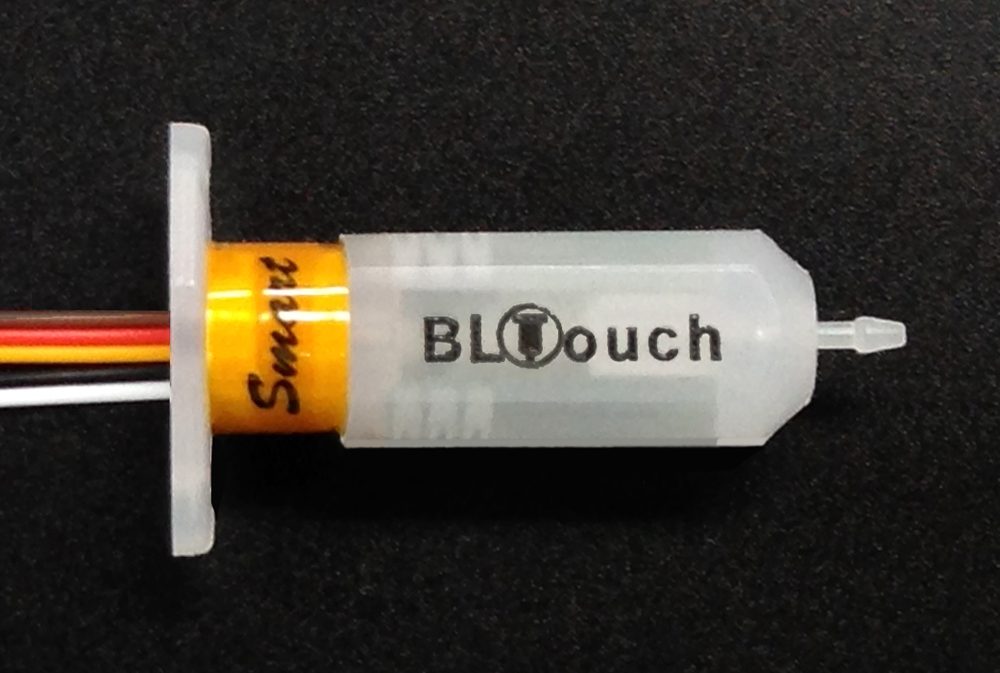
The most widespread deployable-pin probe: a servo-driven plastic pin drops down, touches the bed, and retracts. Works on any bed surface (glass, PEI, garolite) since it physically touches. Klipper has first-class [bltouch] support. Genuine Antclabs units are reliable; clones vary wildly. CRTouch is Creality's metal-pin take on the same concept.
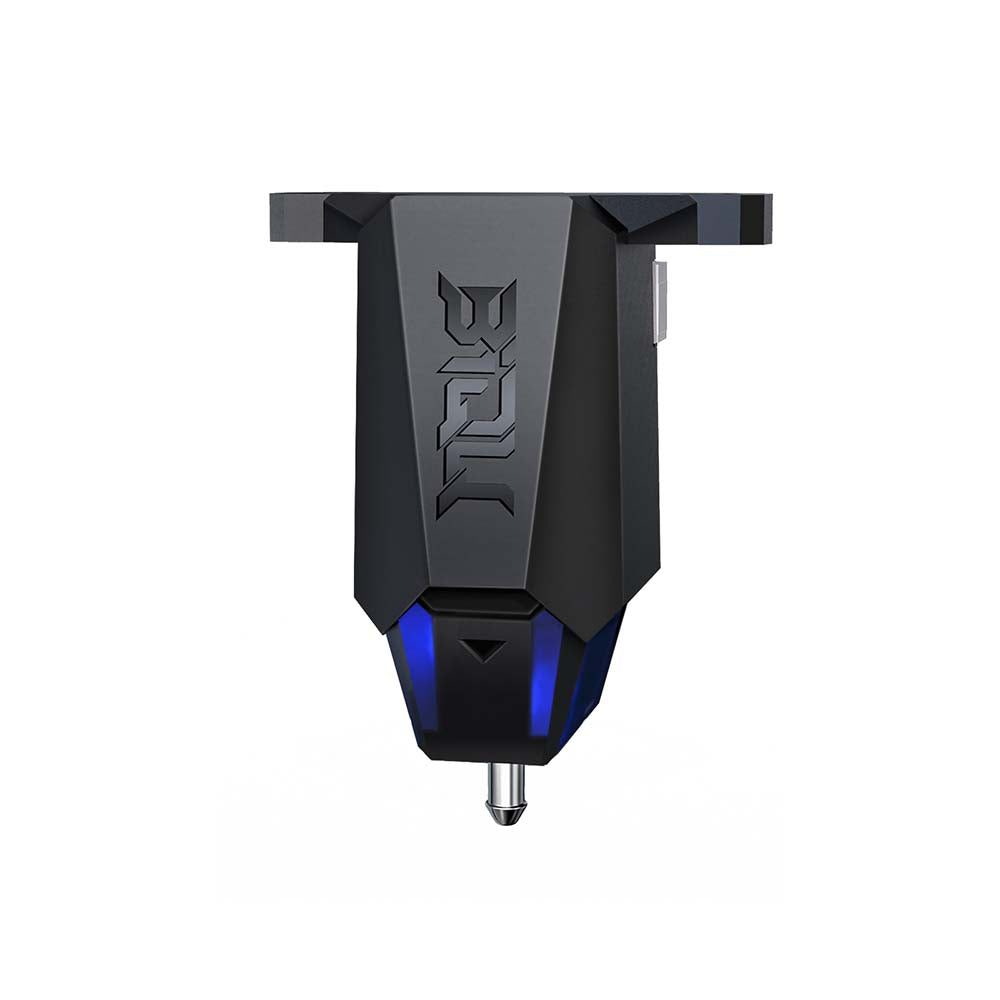
BIQU's compact answer to the BLTouch: a smaller, lighter (~10g) deployable-pin probe with faster deploy/retract and a metal pin. Drop-in for most BLTouch mounts and wiring, at half the price of a genuine BLTouch. Popular on V0-class and lightweight toolheads where the BLTouch is too bulky.
$12–18Details →
Firmware / Configuration
Klipper configurator
Assign components to MCU pins and generate a starter printer.cfg configuration. Works with stock Klipper and Kalico (a more cutting-edge community fork — configs are largely interchangeable).
Firmware / Slicer
Slicer config
Generate slicer start/end g-code and Klipper PRINT_START / PRINT_END macros for your printer and slicer combination.
Extrusion / Extruders
Extruders
Complete guide to all extruders — Clockwork 2, Galileo 2, Orbiter, Sherpa, BMG, and more. Printed and commercial options.
Extrusion / Hotends
Hotends
Complete guide to all hotends on the market — flow rates, max temps, and compatibility.
Reference / Documentation
Manuals & documentation
Build guides, firmware configuration, and reference docs.
Reference / Changelog
What's new
Running changelog of new printers, products, features and data verification passes.
Reference / Sourcing
Trusted sellers
Community-vetted vendors for printer parts, electronics, and filament.
Site / About
About
What this site is, how to use it, and who built it.
Site / Contact
Contact
Get in touch — suggestions, bug reports, and community feedback welcome.
 Eddy Current
Contact Z
Eddy Current
Contact Z
 Eddy Current
Contact Z
Eddy Current
Contact Z
 Eddy Current
 Nozzle / Contact
 Inductive
 Deployable Pin
 Deployable Pin